
Saving Bird Island Takes All of Us
Have questions about the Save Bird Island Initiative? You’re in the right place. Learn more about the effort, where things stand today, what happens next, and how you can help create the next ripple.
Creating a Ripple Around Lake Conroe.
When Dockside Digital Solutions connected with Madi Bullock and learned more about her efforts to save Bird Island, we knew one of the best ways we could help was by bringing people together and helping spread the word. So we stepped in as the initiative’s awareness and marketing sponsor, providing that support at no cost to the initiative.
That became TXDOCKVIBES.COM and the TX Eco Ripple Effect — connecting Lake Conroe residents, local businesses, and community partners to raise awareness, build support, and help move the Save Bird Island Initiative forward.
And as that ripple has grown, so have the questions. Who owns Bird Island? What will it take to restore it? Who pays for it? What happens next? And how can you help?
That’s exactly what this page is here to answer — what we know, where things stand, and how you can be part of what happens next.
How Bird Island Can Be Protected
The path forward is clear: three strategic steps to stabilize, restore, and protect Bird Island.
Targeted Dredging & Restoration
1
Over time, changing water levels and boat activity alter the areas surrounding the island. Strategic dredging helps restore proper depth and water flow patterns while reducing the conditions that accelerate erosion.
Working with qualified local marine and construction partners, material can be carefully removed from designated zones to help re-establish a healthier and more stable environment around the island.
Shoreline Stabilization with Rip Rap
2
Rip rap — large, durable stone placed along vulnerable shoreline areas — is a proven method for protecting land from wave energy and wash.
Properly installed rip rap helps:
Absorb wave impact
Reduce shoreline loss
Protect vegetation and habitat
Increase long-term stability
This step is critical for defending the island against continuous wake and weather-related wear.
Supporting No-Wake Protection Zones
3
Excessive wake energy is one of the most significant contributors to shoreline degradation. Reduced-wake or no-wake designations dramatically decrease the repetitive stress that causes erosion.
Part of the initiative involves working with the appropriate authorities and stakeholders to advocate for protective boating practices and designated buffer zones around Bird Island.
The goal is simple: minimize unnecessary damage while preserving safe and enjoyable lake access.
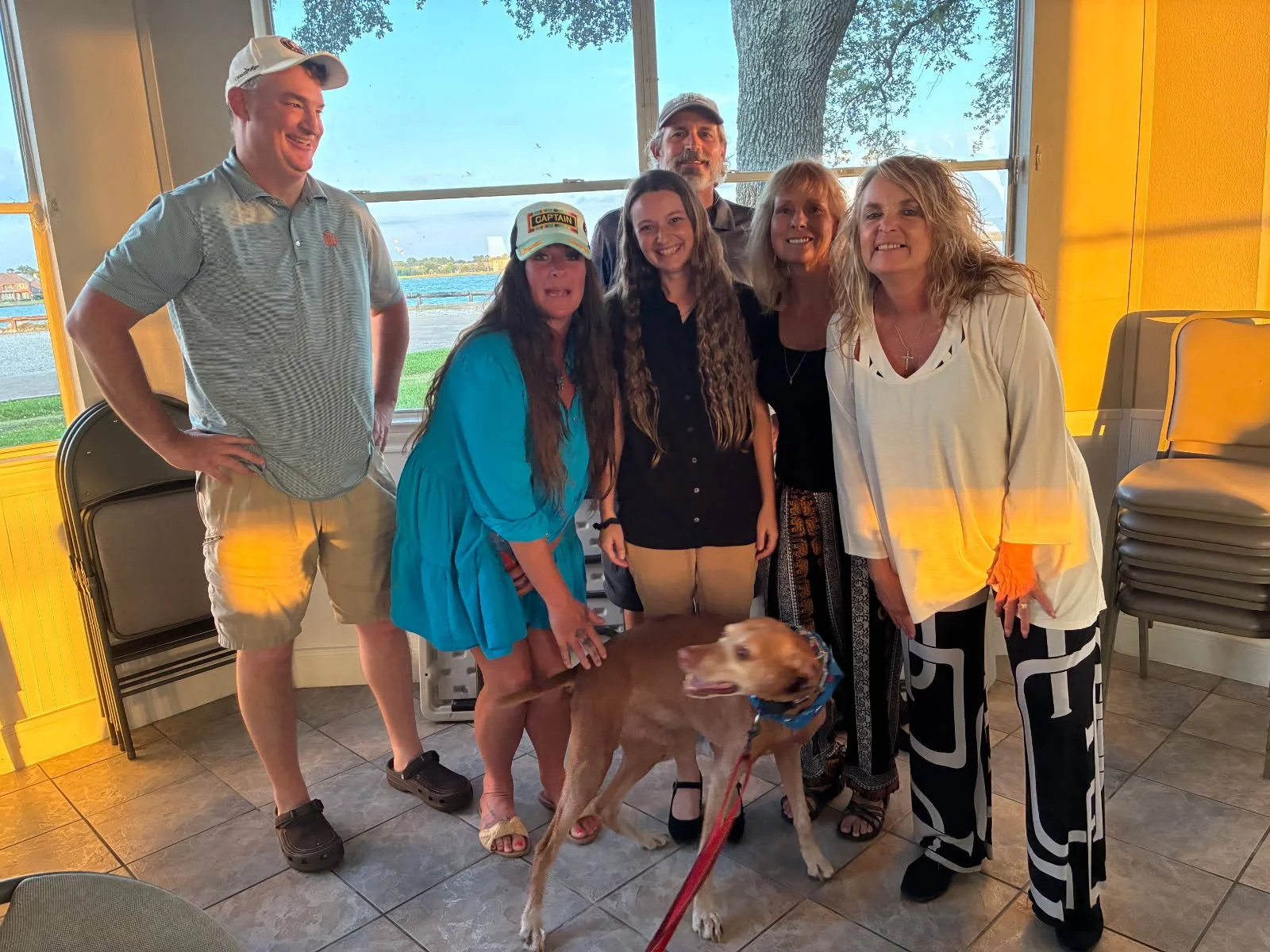
A Big Project Needs a Strong Foundation
Restoring Bird Island takes more than a great plan. It requires working alongside government agencies, engineers and conservation experts, securing the necessary approvals, and raising significant funding to bring the project to life.
To do that responsibly, we needed a formal nonprofit organization capable of supporting the project for the long haul.
That’s why the Ripple Effect Conservation Initiative (RECI) was created — a 501(c)(3) nonprofit built to provide the structure, partnerships and fundraising support needed to move Save Bird Island from an idea into action.
Ready to Help Bring the Plan to Life?
Your contribution to RECI helps support the work required to move the Save Bird Island Initiative forward.
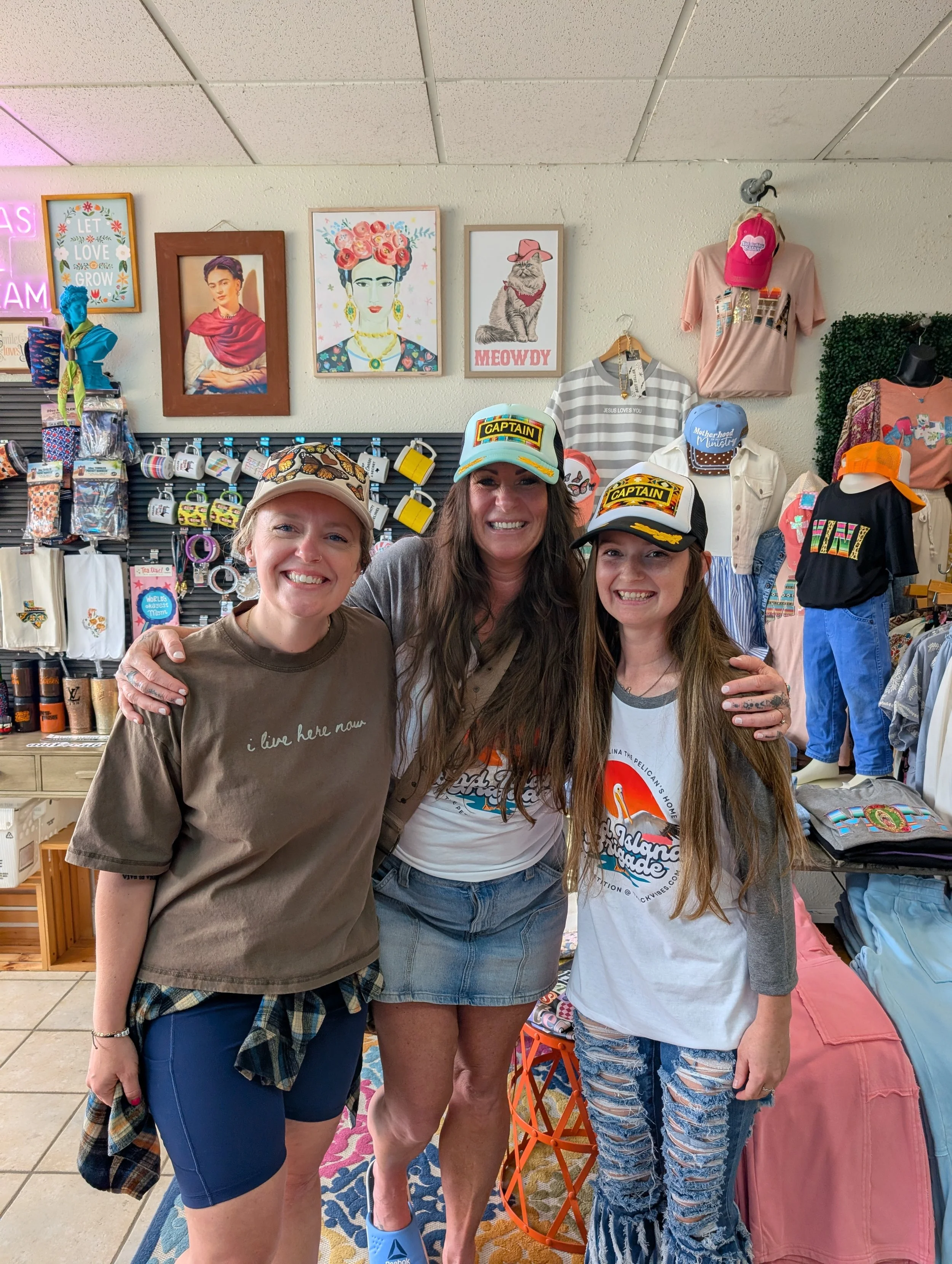
This Is Where Our Community Comes In
While RECI works on the project itself, we still have an important job here at home: build awareness, grow community support, and keep the ripple moving.
Our petition gives Lake Conroe residents and supporters a way to add their voice and show just how many people want to see Bird Island protected and restored.
Our Dockside Deal Partners take that support one step further. These are local businesses that have stepped up to help us spread the word, reach more people, and support the awareness efforts behind Save Bird Island.
Every signature, every share, and every local business that gets involved helps the ripple reach a little farther.
Want to Get Even More Involved?
-
Put your experience, skills and ideas to work alongside RECI as we continue building the initiative and preparing for the work ahead.
-
Be part of our boots-on-the-ground community crew helping at events, spreading awareness and supporting Save Bird Island throughout the Lake Conroe community.
-
Give your local business a way to step up, help spread the word and support the community awareness efforts behind Save Bird Island.
Not sure where you fit? That’s okay, too. Tell us a little about yourself and how you’d like to help, and we’ll help you find your place in the ripple.
You’ve Got Questions. We’ve Got Answers.
We know there are a LOT of questions about Bird Island — what’s happening to it, who owns it, what can actually be done, how the restoration process works, where the project stands, and what happens next.
We’re asking many of those same questions, too.
As the project moves forward and we learn more from the agencies, engineers and experts involved, we’ll continue adding answers and updating this page so you always have a place to find the most current information we can share.
Explore some of the questions we hear most often below.
-
The San Jacinto River Authority (SJRA) owns Bird Island. That’s why the meetings we are preparing for — and the support we receive from our community — are so important.
Every petition signature helps demonstrate that our Lake Conroe community cares about protecting and restoring Bird Island.
-
We are currently gathering estimates. The total cost will depend largely on the size and scope of the restoration ultimately determined to be feasible.
-
One of the reasons the Ripple Effect Conservation Initiative (RECI) was formed was to create a path for funding the project without allowing cost alone to prevent the initiative from moving forward.
Our plan is to seek funding through commercial and community partners and supporters. Strong community support helps us demonstrate that this is a project worth investing in.
One of the easiest ways you can help right now is to sign and share the petition.
-
Protecting Bird Island for its native and migratory birds is the primary goal of the project.
Based on the nesting cycles we are working around, the anticipated restoration window is between August and November, when the Cattle Egrets and pelicans are not nesting on the island. Any restoration timeline will also need to account for the appropriate environmental guidance and approvals.
-
That’s one of the reasons we believe it is important to move both responsibly and with urgency.
Bird Island has already experienced significant erosion, and another major weather or lake-level event could cause additional damage. Our goal is to do the necessary planning now so the project can move forward as responsibly and efficiently as possible.
-
Bird Island currently sits at approximately 0.10 acre.
While restoring it closer to its original two acres would be incredible, we are currently working with engineers to better understand what size, scope and cost are realistically feasible.
Those conversations will help determine what the proposed restoration ultimately looks like.
-
That has not been decided yet.
The final decision will depend on several factors as the scope of the project develops and will require approval through the appropriate process. We have been fortunate to work closely with several highly respected companies familiar with Lake Conroe as we gather information and explore the possibilities.
-
Protecting a restored Bird Island from continued erosion and disturbance is an important part of the long-term vision.
A no-wake zone around the island is one of the protections we want to pursue as part of that effort, subject to the necessary approvals.
-
No. The proposed use of riprap around the island is intentional.
In addition to helping protect the restored shoreline from erosion, the goal is to discourage people from beaching boats on the island and disturbing the nesting cycles of the native and migratory birds that depend on it.
Bird Island is being restored for the birds.
-
Restoration isn't the end of the story.
RECI was created with the long-term preservation of Bird Island in mind. We intend to continue supporting and protecting the island after restoration while expanding our conservation efforts to other projects and initiatives benefiting Texas waters and wildlife.
That’s the bigger Ripple Effect.
-
We’re currently building a standalone website dedicated to the Ripple Effect Conservation Initiative.
It will provide more information about the organization, its mission, leadership, projects and ways to support the work.
Stay tuned — it’s coming!
-
We love that so many people have ideas and want to help!
We’re also receiving a LOT of questions, suggestions and messages right now, so we’re creating a better system to make sure those ideas don't get lost.
For now, please use the form above to tell us about your idea or how you’d like to help. Once the new RECI website launches, we also plan to provide a dedicated way for community members to reach the organization directly.
-
Time matters.
Another major storm, drought or significant lowering of the lake could cause additional damage to an already vulnerable Bird Island. At the same time, this project requires engineering, coordination, approvals, funding and careful consideration of nesting seasons.
Our current goal is to complete the restoration by Fall 2027.
That is a goal rather than a guaranteed completion date, and we’ll continue keeping the community updated as we move through each stage of the process.
-
We would love to have you!
Whether you're interested in joining a RECI subcommittee, becoming part of the Bird Island Brigade, getting your business involved as a Dockside Deal Partner, or have another way you'd like to contribute, fill out the form above and tell us a little about yourself.
We’ll get back to you as soon as we can and help you find your place in the ripple.
Hi, I’m Madi Bullock…

Many of you have seen my efforts around preserving and restoring Bird Island on Lake Conroe. I’m excited to continue this journey spreading the word and building important connections within our community and beyond.
I’ve been honored to contribute to this effort and am so grateful for the support I’ve received over the years. For those who haven’t heard about this initiative: Bird Island has long been a natural habitat for native and migratory birds.
Over the years, I’ve watched the island shrink dramatically — it used to be three times its current size. The erosion, combined with increased boat traffic, threatens the very sanctuary that birds, including the American White Pelican protected under the Migratory Bird Treaty Act, depend on.
Without intervention, both native and migratory birds could lose this safe haven forever.
That’s why community support is so critical. I hope you’ll join me in signing this petition to show our collective commitment to saving Bird Island and protecting its future for the birds — and for our community.